10 Must-Know Maintenance Tips to Keep Your Honda Ruckus Running Smoothly
The Honda Ruckus is one of the most iconic and reliable scooters in the world, loved for its rugged design, lightweight frame, and incredible fuel efficiency. Whether you use it for daily commutes or weekend adventures, this scooter is built to last. However, like any vehicle, proper maintenance is key to keeping it running at its best. Ignoring routine care can lead to performance issues, costly repairs, and a shorter lifespan.
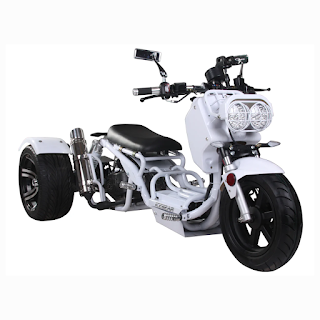
In this guide, we’ll cover 10 must-know maintenance tips to keep your Honda Ruckus in top condition. These tips also apply if you’ve customized your Ruckus into a stretched out scooter, which requires a bit of extra attention to maintain its unique setup.
1. Check and Change the Engine Oil Regularly
The engine oil is the lifeblood of your Honda Ruckus. It lubricates the moving parts, prevents overheating, and keeps the engine running smoothly. Honda recommends checking the oil level before every long ride and changing it every 1,000–2,000 miles depending on your riding habits.
• Use high-quality 10W-40 scooter or motorcycle oil.
• Make sure the scooter is on a level surface before checking the dipstick.
• Always replace the oil filter during an oil change to prevent contaminants from circulating.
Skipping oil changes is one of the fastest ways to damage your engine, especially if you ride long distances or have a performance-modified or stretched out scooter version of the Ruckus.
2. Inspect and Clean the Air Filter
The Honda Ruckus uses a carbureted engine, which relies on clean air for efficient combustion. A clogged air filter can cause poor fuel efficiency, sluggish acceleration, and engine strain.
• Check the air filter every 1,000 miles or sooner if you ride in dusty areas.
• Replace it every 4,000 miles or when it appears dirty.
• For performance upgrades or stretched builds, consider a high-flow air filter to improve airflow.
Keeping the air filter clean ensures your Ruckus breathes properly, improving throttle response and overall performance.
3. Monitor Tire Pressure and Tread
The small tires on a Honda Ruckus are key to its stability and handling. Underinflated or worn tires can affect braking, cornering, and fuel economy.
• Check tire pressure at least once a week, keeping it at 25–30 psi as recommended.
• Inspect tread depth and look for cracks or bald spots.
• Replace tires when tread depth falls below 2/32 of an inch for safe riding.
If you own a stretched out scooter, the extended frame often uses custom tires. Make sure to follow the correct pressure recommendations for aftermarket tires to avoid uneven wear.
4. Keep the Battery Charged
A weak or dead battery is a common issue for Honda Ruckus owners, especially during colder months or after long periods of inactivity.
• Check battery terminals for corrosion and clean them with a wire brush if needed.
• Keep the battery charged with a trickle charger if the scooter is stored for more than a week.
• Replace the battery every 2–3 years to avoid unexpected breakdowns.
A reliable battery ensures your Ruckus starts smoothly every time, whether stock or stretched.
5. Maintain the Drive Belt and CVT System
The Honda Ruckus uses a Continuously Variable Transmission (CVT) system with a drive belt to transfer power from the engine to the wheels. Over time, the belt can wear out, causing poor acceleration and slipping.
• Inspect the drive belt every 4,000–6,000 miles for cracks or fraying.
• Replace it as needed to maintain smooth power delivery.
• Clean the CVT housing to prevent dust buildup.
If your Ruckus has been converted into a stretched out scooter, a longer belt might be installed make sure it’s tensioned correctly to avoid premature wear.
6. Adjust the Brakes
The Honda Ruckus is equipped with drum brakes that require occasional adjustment to maintain stopping power.
• Check the brake levers for proper tension too loose or too tight can affect performance.
• Inspect brake shoes for wear and replace them if they’re worn down.
• Keep the brake cables lubricated to prevent stiffness.
Brakes are critical for your safety, especially when riding a custom or stretched scooter that might have different weight distribution.
7. Clean the Carburetor
A dirty carburetor can cause hard starts, rough idling, and poor acceleration. Since the Honda Ruckus is carbureted, regular cleaning is essential.
• Use a carburetor cleaner to remove dirt and varnish buildup.
• Adjust the idle screw for smooth performance.
• If you ride in dusty environments or use a performance exhaust, clean the carb more frequently.
A well-maintained carburetor ensures consistent fuel delivery and keeps your Ruckus running like new.
8. Check the Coolant and Radiator
Some custom Honda Ruckus builds include liquid-cooled engine swaps, which require regular coolant checks. Even the stock air-cooled engine benefits from proper airflow.
• Inspect coolant levels monthly if you’ve installed a liquid-cooled engine.
• Keep radiator fins clean and free from debris.
• For air-cooled setups, make sure the cooling shrouds are clean to avoid overheating.
If you own a stretched out scooter, airflow can be slightly different due to frame modifications pay attention to heat management.
9. Lubricate Moving Parts
From the throttle cables to the kickstand, regular lubrication reduces friction and prevents rust.
• Apply a silicone-based spray to cables, hinges, and levers every few months.
• Use grease on wheel axles during tire changes.
Keeping moving parts lubricated not only improves performance but also extends the life of key components.
10. Store It Properly
Proper storage is crucial to keeping your Honda Ruckus in good shape during off-seasons or long breaks.
• Use a breathable cover to protect it from dust and moisture.
• Add a fuel stabilizer to prevent the gas from going stale.
• Keep the scooter on a center stand to reduce tire flat spots.
For custom or stretched out scooter builds, ensure any aftermarket wiring or battery relocations are weatherproofed before long-term storage.
Final Thoughts
The Honda Ruckus is famous for its rugged simplicity and low-maintenance design, but even the toughest scooters need regular care. By following these 10 essential maintenance tips covering everything from oil changes to brake adjustments you can ensure smooth rides and long-lasting performance.
Whether you ride a stock model or a fully customized stretched out scooter, routine maintenance protects your investment and keeps every ride safe and enjoyable. With a little attention and consistent upkeep, your Honda Ruckus will stay road-ready for years to come.

Comments
Post a Comment